Showing posts with label Sandgate Dietitian. Show all posts

Thursday, October 24, 2013

Choice magazine has found that online weight plans are set up to fail

People who sign up to an online weight loss program may find the only thing that gets lighter is their wallet, a Choice survey says.

Choice put five of Australia's most popular online diets to the test but found many were not only expensive but unrealistic.
The Ashy Bines Bikini Body Challenge, SureSlim, Weight Watchers and The Biggest Loser Club - which demand fees of up to $83 a week - were all put to the test.
But many eating plans were not based on scientific evidence, were overcomplicated and did not fit with a healthy, balanced diet.
In the Ashy Bines program, the listed nutritionist isn't even a registered dietician, Choice says.
"For the amount of money you're spending, you'd be better off seeing your GP or an accredited dietician," Choice spokeswoman Kate Browne said.
Many online diets champion "crash weightloss" instead of long-term health, she said.
The Michelle Bridges program, costing $199 for 12 weeks, fared best, but the survey noted customers might not be able to keep up with the prescribed exercise regime without a personal trainer of their own.
Source: http://news.ninemsn.com.au/health/2013/10/10/09/56/online-weight-plans-set-up-to-fail-choice
What to do?
If you need help losing weight, you should consider the individualised advice of a dietitian who can recommend things specific to you and your needs.
For more information or to book your appointment with Rachel Haddow, our Registered Dietitian please contact us today.
Clayfield Ph 3862 4544
Sandgate 3269 1122


Wednesday, October 2, 2013

If You Have One of these Conditions, Rachel Can Help You!


If this looks like your balanced diet and you've put on a kilo or two, then you may need some professional advice from someone other then the bartender!
What Does a Dietitian Do?

Accredited Practising Dietitians (APD) are university qualified nutrition specialists that understand the science of food and the body.
Dietitians must have a minimum of 4 years study and are trained to understand the latest scientific evidence for food, its nutrients and how they affect your health.
Dietitians can help guide people on a group or individual basis, constructing meal plans, give guidance on how food may prevent and improve a number of conditions such as:
  • Chronic diseases: heart disease, diabetes (type 1 or type 2)
  • Insulin resistance or pre-diabetes
  • Cancer
  • Healthy and individual weight loss
  • Renal disease
  • Allergies and food intolerances (eg coeliac disease, lactose intolerance)
  • Digestive issues (eg irritable bowel, reflux, hiatus hernia, diverticulitis)
  • Elite sports performance
  • General health and wellbeing
  • Specialised nutrition for the elderly

Rachel Haddow, our Accredited Practising Dietitian, is happy to listen to you about nutritional needs whether they are corrective or preventative.


More info about: Rachel Haddow Accredited Dietitian and Sports Nutritionist.

Clayfield 3862 4544


Sandgate 3269 1122


Monday, September 9, 2013

What is GI? What has it and What is Best for You?

What is the Glycaemic Index?


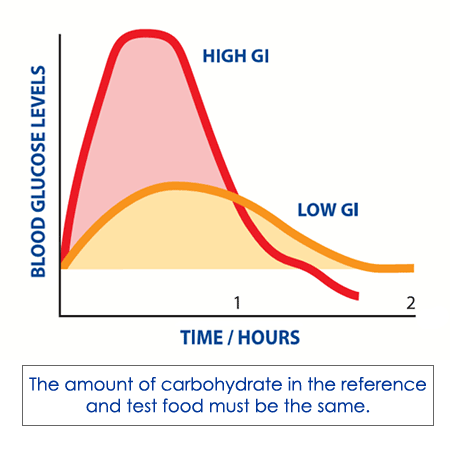
The glycaemic index (GI) is a ranking based system that helps us understand how quickly dietary carbohydrates are digested and absorbed by the gut. The GI ranks foods from 0-100 according to how high blood glucose levels rise after consumption. Foods which are HIGH GI are rapidly digested and absorbed. This results in large fluctuations in blood glucose levels. LOW GI foods are digested and absorbed much slower and hence have lesser impact on blood glucose fluctuations.

Do ALL foods have a GI?

The GI measures how carbohydrates in a food affect blood glucose levels. Therefore some foods do not have a GI. These include beef, chicken, tofu, eggs, cheese, nuts, seeds, avocados, many vegetables and some fruit.

Why Eat Low GI?

Studies have shown LOW GI foods help to increase energy levels, control appetite, as well as reduce cholesterol absorption, insulin levels and insulin resistance.

Are ALL LOW GI foods good for you?

The answer is NO. Similarly, not ALL High GI foods are bad for you. Take a look at the following list of foods, there may be a few surprises. Foods that are Low GI may still be low in fibre and high in fat and sugar (eg snickers bar) and High GI foods may be low in fat and sugar and high in fibre! The addition of fat to carbohydrate foods lowers the GI, as the body takes longer to breakdown fat compared to carbohydrates. 

Therefore it is important to use common sense and consider how healthy the food is and make the best decision.

If you need more information about GI and how it can affect your specific general health, please book your appointment with Rachel Haddow today.

More info about: Rachel Haddow Accredited Dietitian and Sports Nutritionist.

Clayfield 3862 4544


Sandgate 3269 1122


Source: http://www.glycemicindex.com/