Hallux Valgus - Bunion Splint | |
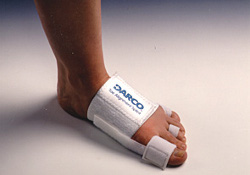
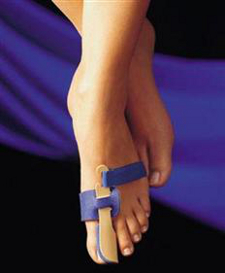
You can treat your foot bunion by simply wearing night bunion splint. A foot bunion (known medically as Hallux Valgus) is a deformity of your great toe that results in an angulation of your forefoot and great toe. Wearing a bunion splint at night has been shown to provide some foot bunion correction. By simply wearing you foot bunion splint every night, you can stretch the toe joint capsule that enables your toe alignment to passively correct. Better bunion treatment results will occur when you undertake a series of foot and bunion exercises as prescribed by your physiotherapist who specialises in bunion treatment. You may also find that off-the -shelf orthotics or orthotics prescribed by your podiatrist may assist the success of your bunion treatment. More information about Bunions | |
Showing posts with label sore feet. Show all posts
Showing posts with label sore feet. Show all posts
Tuesday, October 22, 2013
Got a Bunion? Here's a bunion splint that could help you at home.


Sunday, October 20, 2013
What Causes a Bunion?
What is a Bunion? As the bunion becomes more prominent, bunion pain can develop. The medical term for a foot bunion is hallux valgus. What Causes a Bunion?Bunions are a result of complex biomechanical changes that occur in your feet. The type of footwear that you wear does cause bunions. We know that foot bunions occur in about 30% of the population of most Western countries but only 3% in Eastern countries. They are seen most commonly in women and become more common as people get older. Tight-fitting shoes are thought to be the main cause of bunions.. Shoes such as high heels and shoes with tight toe boxes (eg womens fashion shoes and cowboy boots) are particularly damaging to the toes. These shoes have a sloping foot bed and a narrow toe box. The slope causes the front of the foot to bear your weight, which encourages your forefoot to widen. Also, the angle pushes your toes into the narrow toe box, causing the toes to become angled and squeezed together. With prolonged wearing of constraining footwear your toes will adapt to the new position and lead to the deformity we know as a foot bunion. Footwear is not the only cause of a bunion. Injuries to the foot can also be a factor in developing a bunion. Poor foot arch control leading to flat feet or foot overpronation does make you biomechanically susceptible to foot bunions. A family history of bunions also increases your likelihood of developing bunions. Many people who have a bunion have a combination of factors that makes them susceptible to having this condition. For example, if you are a women over the age of forty with a family history of bunions, and often wear high-heeled shoes, you would be considered highly likely to develop a bunion. Bunion TreatmentRead full Bunion article. Bunion Night SplintsBunion Night Splints are an option for stretching and re-aligning your toe joint. The most popular bunion splints that we recommend are:
More Bunion AdviceIf you have any concerns or have some specific questions regarding your condition, please ask your physiotherapist.
| ||||
| Sign up for our free newsletter! |

Contact PhysioWorks or Book Online

Subscribe to:
Posts (Atom)